

OPENING THEORY: THE DUTCH DEFENCE
A detailed repertoire of the Dutch Defence.
OPENING
5/8/20263 min read
Main-Line in the Dutch Defense
1.d4,f5......The Dutch Defence begins
2.g3,Nf6...fiencettoing the Bishop is the most common response at the master level
3.Bg2,g6......black too opts for the fiencetto
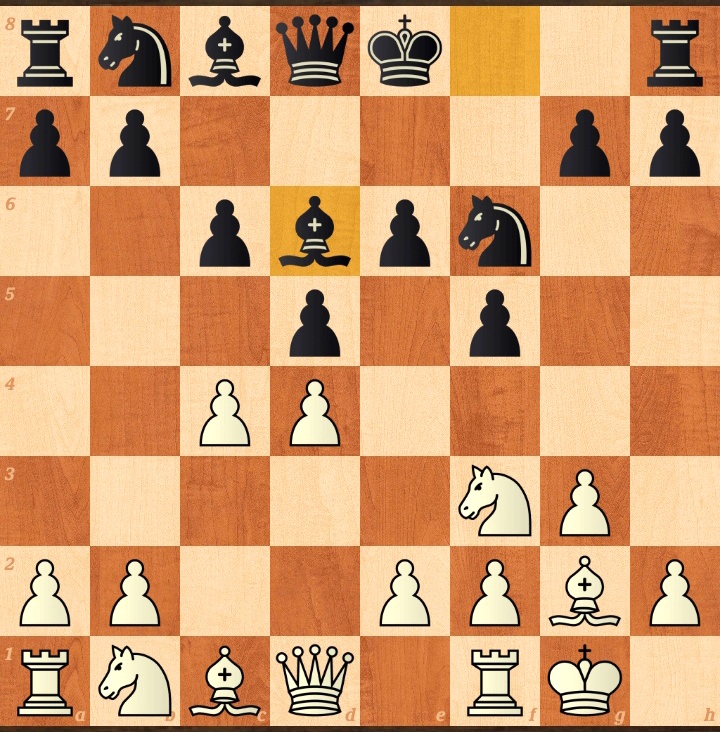
4.Nf3,Bg7 5.o-o,o-o 6.c4,d6......subtly controlling the centre after some natural development
7.Nc3,c6 8.d4,e5.......Black strikes the centre
9.dxe6,Bxe6......white resists the strike.
Traps in the Dutch Defense
A trap in the Dutch Defense you should be aware of starts with the following moves: 1.d4 f5 2.Bg5 h6 3.Bh4 g5 4.Bg3 f4.
At this point it might appear you have won a piece, but White has a trick up the sleeve.
5.e3 fxg3?? 6.Qh5#
You should be careful that cannot checkmate you, and instead of 5…fxg3 you can play 5…h5 or 5…Bg7.
Classical Dutch Defense
In the Classical Variation, Black plays with the dark-squared Bishop on e7 instead of g7, and a pawn structure with e6. Potential ideas for black might include pushing e5 and possibly playing f4 incase white fiencettos the bishop. Black can also try for the c5 break with the b7 fiencetto or also choose to close the centre if the situation demands. On the other hand, white might try to place his Knight in the f4 square. White can also choose to fiencetto either of the Bishops to exert pressure and support the centre. This line often leads to very very dynamic positions with active piece play for either sides. It is also worth mentioning that white in many lines miight play the peculiar Nh3 to secure the f4 square.
Stonewall Dutch Defense
Probably the most popular choice for Black when playing the Dutch Defense is the
Stonewall Dutch. In the Stonewall, Black places its central pawns on f5-e6-d5-c6,
creating a mega solid pawn structure based on controlling as many light squares as
possible. The Stonewall can be reached from many move orders, for instance:
1.d4 f5 2.g3 Nf6 3.Bg2 e6 4.c4 c6 5.Nf3 d5
Leningrad Dutch Defense
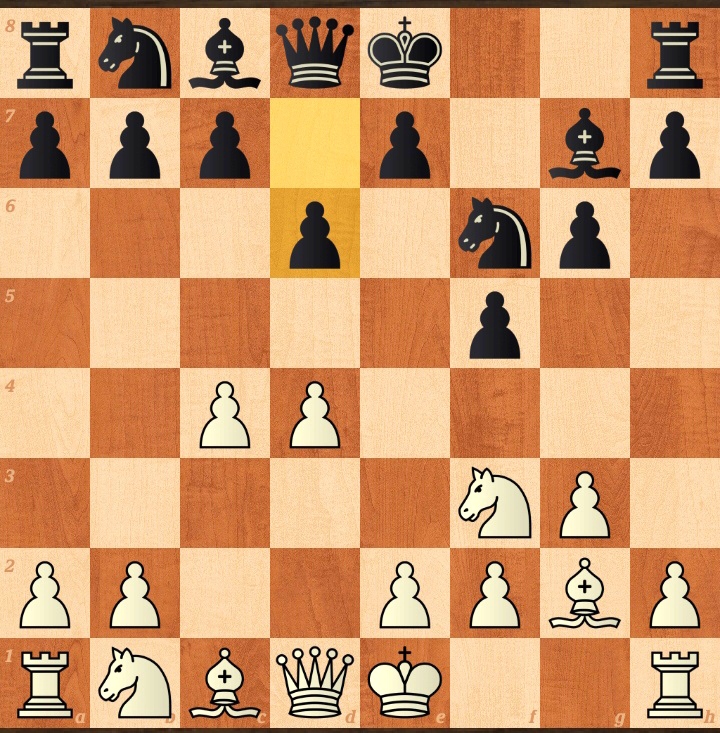
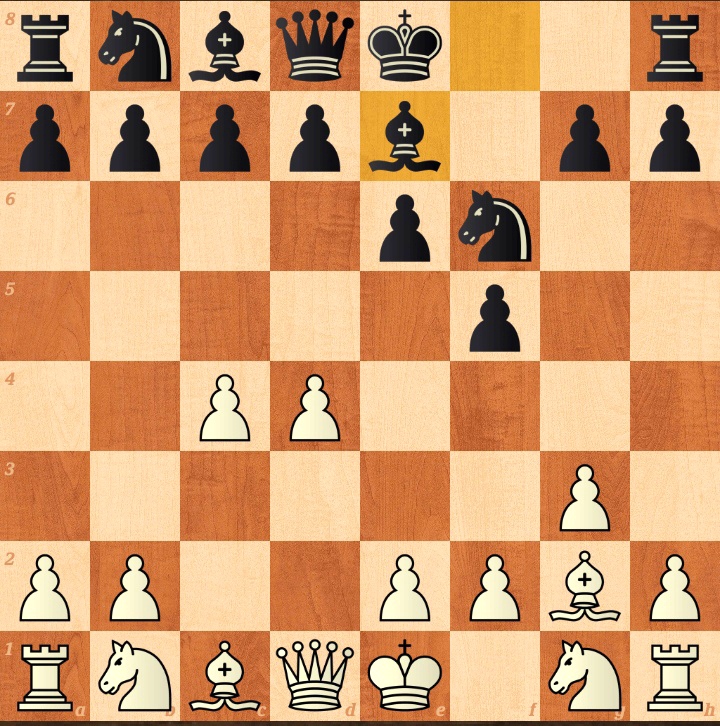
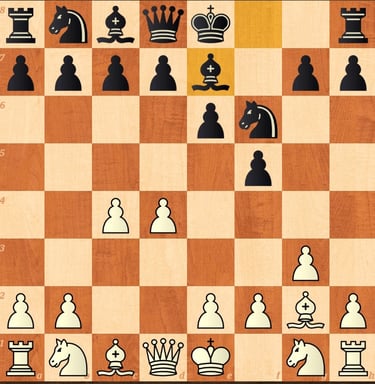
1.d4 f5 2.g3 Nf6 3.Bg2 g6
4.Nf3 Bg7 5.O-O O-O 6.c4 d6
In the Leningrad Dutch Defense, Black plays with the Bishop on g7 and with the pawn on d6. The main idea for black is to create as much problems for white in all sides of the board. Black can try this moves explosive moves like c5 and e5, often temporarily sacrificing one of the pawns. This line too can lead to a very dynamic, double edged sword like position. If either side is not very careful, the opponent can basically finish the game within a few moves.
INTRODUCTION TO THE DUTCH:
The Dutch Defense is an opening often left out of most players' repertoire. It is a double edged sword that can lead to very dynamic positions where Black plays on the kingside and White plays on the queenside.
The main idea of the move 1…f5 in the Dutch Defense is to take immediate control of the important square e4.
It prevents white from playing with a super strong center at the beginning, but White will be able to gain control afterwards.
In the Dutch Defense, White can better develop their pieces on the Queenside and Black focuses on the Kingside.
Although the Dutch Defense is a perfectly reasonable opening, Black has to be aware of some weaknesses in their position, such as an overly exposed King and allowing White to gain too much control of the center.
Staunton Gambit
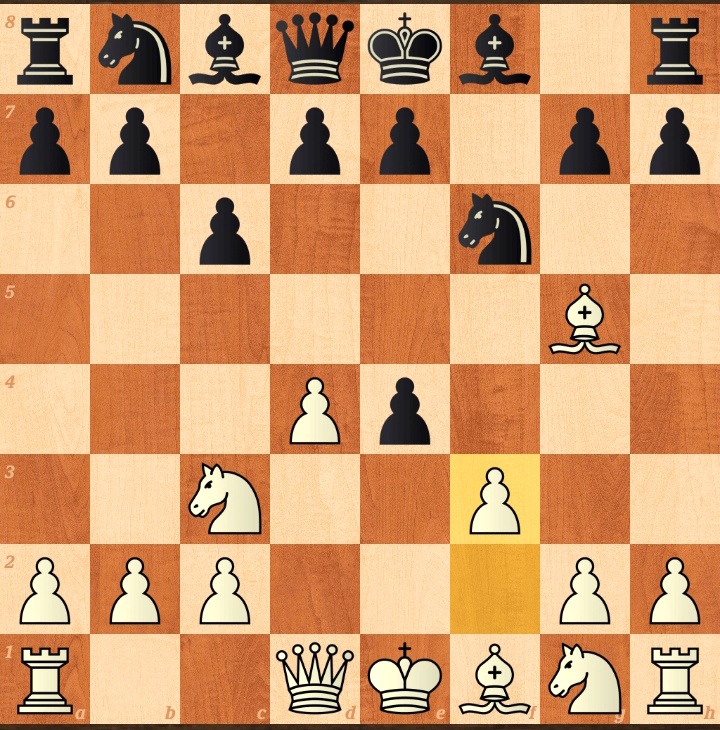
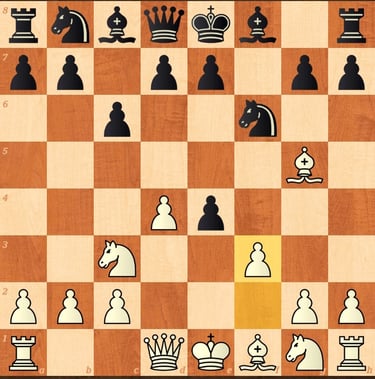
1.d4 f5 2.e4 fxe4
3.Nc3 Nf6 4.Bg5 c6 5.f3
The Staunton Gambit can turn into a dangerous gambit if Black is not prepared.
For instance, if Black overcommits to defending the extra pawn, it can lead to a very bad position for Black.
The Dutch Defense vs the London System
White might choose to play in a London System fashion with 2.Bf4.
One possible way to approach this by Black is the following:
1. d4 f5 2.Bf4 Nf6
3.e3 e6 4.Nf3 Be7
5.Be2 O-O
An approach for black in such positons can be to castle queenside instead of the kingside and start an attack on the kingside.