
OPENING THEORY: CARO-KANN
Master Caro-Kann Defense with strategies, traps, and modern ideas
OPENING
5/10/20268 min read
Named after Horatio Caro and Marcus Kann, two prolific chess players from the late 19th century, this opening has been one of the most popular openings ever, played by many famous Grandmasters like Gurugettze and Vishwanathan Anand throughout their careers.
The beauty of the Caro-Kann Defense lies in its duality. The Caro is filed both positional and tactical nuances. IT is very flexible and yet it challenges white's e4 pawn centre early on the game. This balance allows Black to control the initial ideas, maintain a strong pawn chain, and transition into a middlegame that's abundant with strategic and tactical possibilities.
The Caro-Kann is filled with a catalogue of plans and counterplans, giving it its famous reputation. One can learn the importance of maintaining pawn structures, coordinating your pieces, and knowing when to counterattack. Furthermore, one can borrow many flexible ideas from the Caro across many openings and improve their game in general. Whether you're a beginner looking to solidify your opening repertoire or an advanced player aiming to dive deeper into the rich layers of chess strategy, the Caro-Kann is one of the best places to start
Pros and Cons of Playing the Caro-Kann Defense
Nothing in life is perfect, and that includes the Caro-Kann Defense. Sure, it's like a Swiss army knife of chess - versatile, efficient, and often surprising. On the upside, it offers solid pawn structures, a safe king, and flexibility that would make an acrobat jealous. It has its drawbacks too.
It's often accused of being too passive, a tad slow in the development, and sometimes you might feel like you're dancing on a tightrope. But, remember, life's all about balance, and so is chess. The Caro-Kann Defense is like a rollercoaster ride - full of thrilling highs and challenging lows.
Caro-Kann's heart lies in maintaining a strong pawn structure. The aim is to avoid weaknesses that the opponent could exploit in the endgame.
As Black, you'll typically aim for a setup with pawns on c6 and e6, a structure that provides a firm defensive backbone, creating a fortress that can withstand White's aggressive ambitions. The Caro-Kann strategy often revolves around the timely ...c5 breakthrough.
CARO-KANN
Here is a good example game by Kasparov against Karpov, played in the year 2001, that demonstrates the pros and cons of the opening very well . We will be diving into all the details and nuances expressed in this game in this article.
Understanding the Caro-Kann Defense
The Caro-Kann has often been judged for being a rather boring opening, played by those who like pushing their opponents to a 'slow death'.
But the great idea behind this opening is to achieve full development and only then Black can take over the center and gain active play to challenge White's space advantage from the very start. Having this c6-d5-e6 pawn structure (d5 - if it is not captured) is flexible and easy to play. Positions and lines in the Caro-Kann Defense can be very sharp and positional.
Some of the lines are closed and solid, some of them are rather sharp and agressive, and yet some of them are focused on reaching a good endgame. As chess players, we have to adapt to playing what the position demands.
The whole point of 1...c6 is very much straightforward and can be explained with the same logic that is also behind the French Defense. With the first move, Black's idea is to support the ...d7-d5 advance. The advantage of playing c6, rather than e6 on the first move, is that Black does not block the light-squared bishop on c8, but there is also a disadvantage to this line. A very important move, ...c6-c5, is not available to Black in most lines, at least not immediately, and can be seen as a lost tempo. Not every opening is perfect, or else, we would all be playing it.
Classical Variation
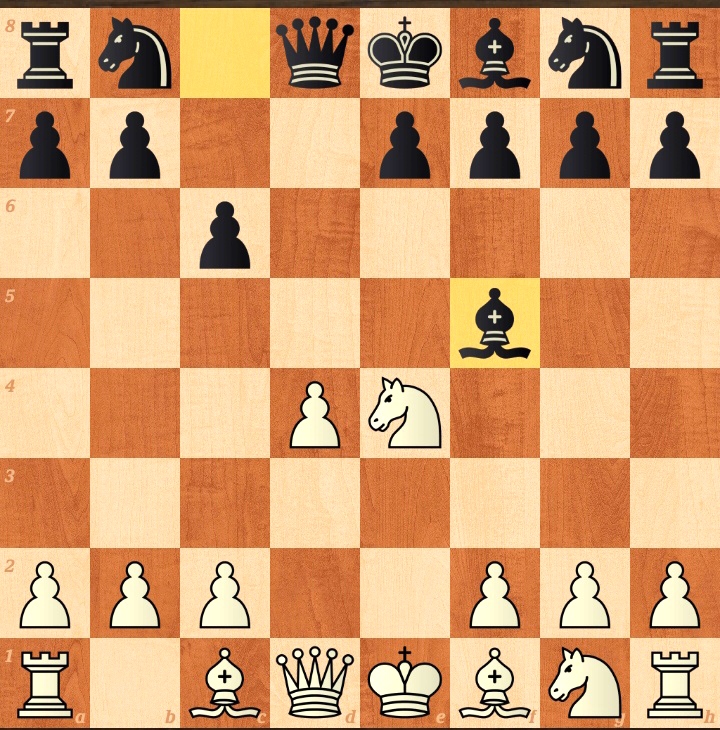
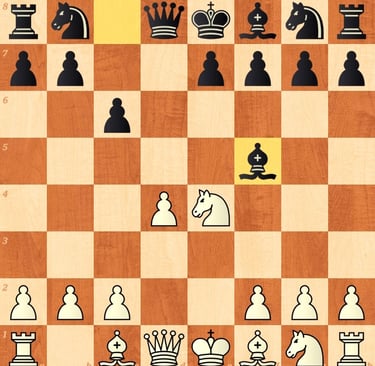
The Classical Variation of the Caro-Kann Defense, also known as the Capablanca Variation, is the most popular line among players. Its structure begins with 1.e4 c6 2.d4 d5 3.Nc3 (or 3.Nd2) dxe4 4.Nxe4. Here, Black usually continues with 4...Bf5, developing the bishop outside the pawn chain, a key strategy in the Caro-Kann. This variation presents a solid and highly flexible structure for Black, aiming to withstand White's central pressure while preparing a counterattack.
Key themes in this variation include pawn structure preservation, effective piece deployment, and strategic pawn breaks such as ...c5 to challenge White's control over the center. The Classical Variation of the Caro-Kann Defense offers a balance between active piece play and defensive solidity. It lends itself well to multiple middlegame strategies and allows Black to slowly accumulate advantages while neutralizing White's threats. Though considered less aggressive than some other lines, its consistent logic and solid structure make it an excellent choice for methodical, strategic players.
Exchange Variation
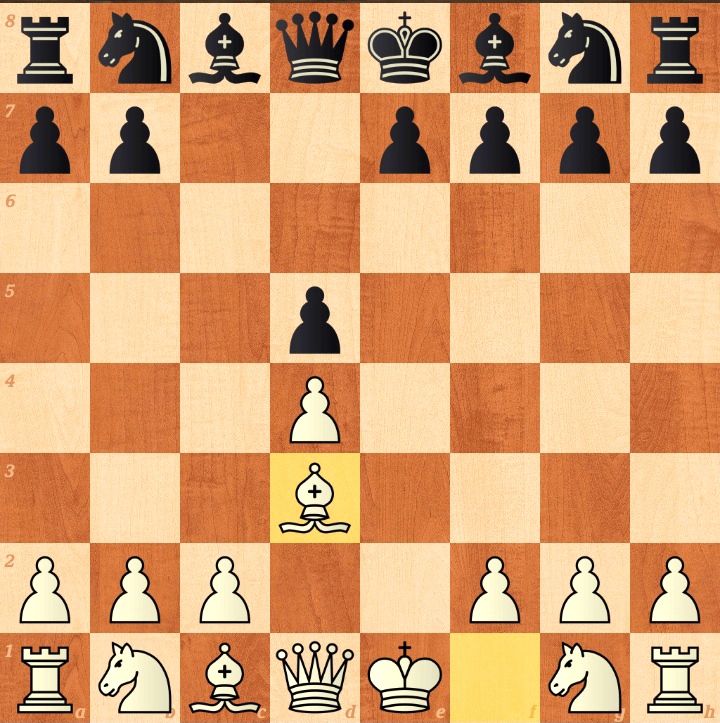
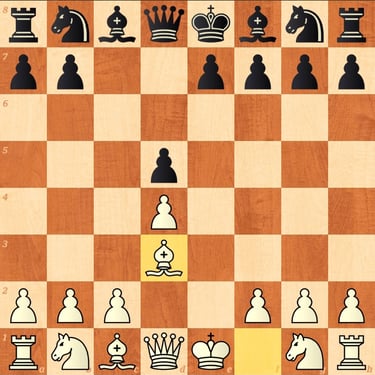
The Exchange Variation, commencing with 1.e4 c6 2.d4 d5 3.exd5 cxd5, offers a different flavor within the Caro-Kann Defense. By choosing to exchange pawns early, White strives to disrupt Black's solid pawn structure and accelerates the game towards a quicker engagement.
One of the main lines in this variation leads to the so-called 'pawn skeleton' structure after 4.Bd3. This unique structure is characterized by symmetrical pawn chains that provide strategic direction for both players' plans. For Black, typical ideas include undermining White's pawn structure with a timely e5 break, aiming for active piece play and seizing control over key squares. Another important factor in this variation is the potential for an isolated queen's pawn (IQP) situation, which can lead to dynamic, rich middlegame positions full of tactical possibilities. The Exchange Variation demands precise play and a good understanding of pawn structures and positional nuances. It's an excellent choice for players who prefer clarity of plans and the potential for open, tactical battles.
Panov-Botvinnik Attack
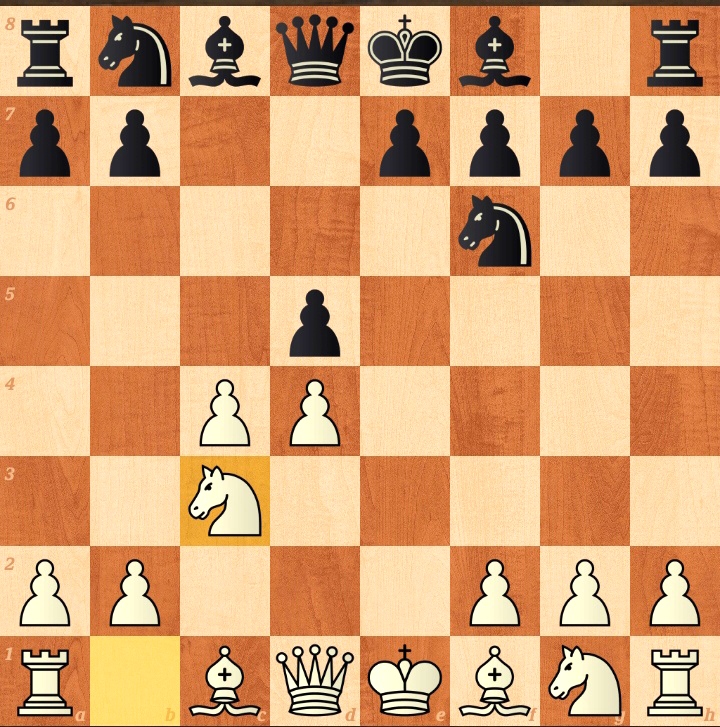
The Panov-Botvinnik Attack, beginning with 1.e4 c6 2.d4 d5 3.exd5 cxd5 4.c4, is part of the Exchange Variation and is a sharp and aggressive line against the Caro-Kann Defense.
By advancing the c-pawn, White seeks to challenge Black's central control early on, aiming to disrupt Black's typical Caro-Kann pawn structure and lead the game into an open, dynamic battleground.
This line often results in an isolated queen's pawn (IQP) position after the exchanges on d5, which entails both opportunities and challenges for both sides.
White can leverage their pawn structure to:
1.Develop quickly
2.Seize control of open files
3.Mount an aggressive assault against Black's position.
On the other hand, Black aims to exploit potential weaknesses in White's pawn structure, especially the isolated d4 pawn, and target them in the middlegame.
Patience, tactical vigilance, and precise piece coordination are vital to capitalize on positional imbalances and dynamic possibilities in the Panov-Botvinnik Attack.Panov-Botvinnik Attack.
Advance Variation
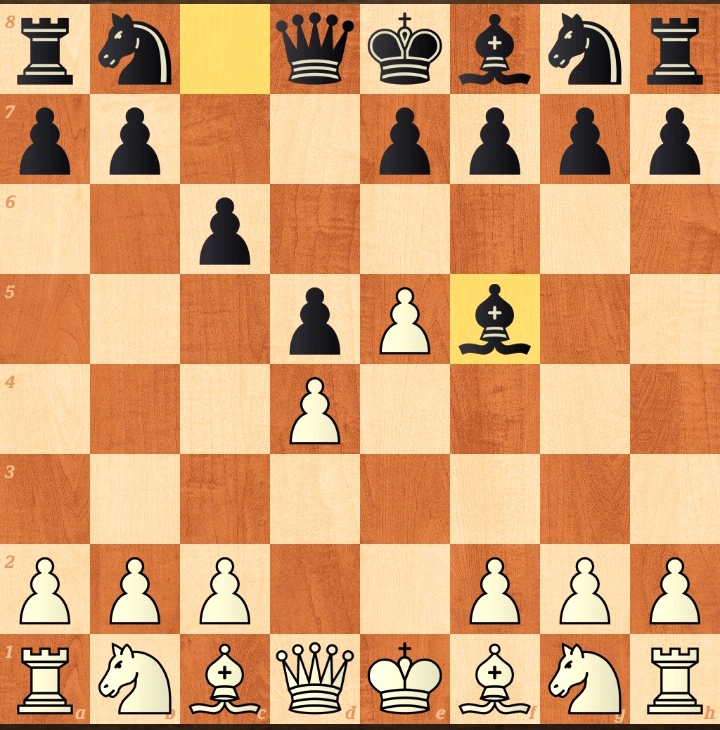
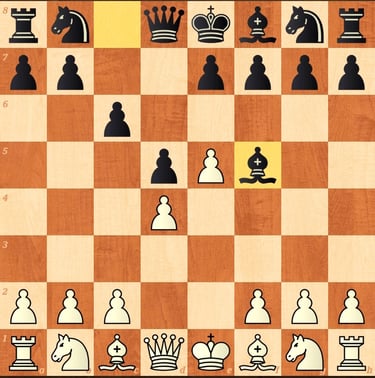
The Advance Variation of the Caro-Kann Defense begins with 1.e4 c6 2.d4 d5 3.e5.
White's early pawn advance aims to restrict Black's pawn breaks and establish control over key central squares. This strategy seeks to cramp Black's position, forcing them to find creative ways to challenge White's space advantage. The crux of this variation lies in the careful handling of pawn structures and piece coordination.
For Black, typical plans involve the Bf5 followed by e6 setup, seeking to develop pieces harmoniously while maintaining a robust pawn structure. The key pawn break ...c5 is often used to challenge White's strong pawn center and generate counterplay.
The Advance Variation often leads to complex middlegame battles, where both sides vie for control over central squares and key files. Understanding the nuances of these positional fights and recognizing the opportune moments for tactical blows are crucial skills when navigating this variation.
Fantasy Variation
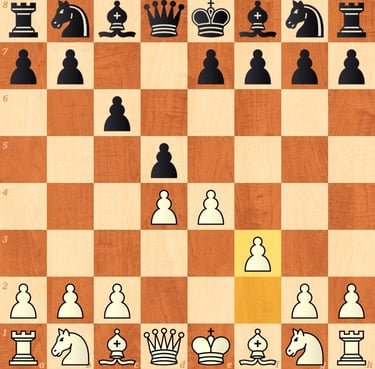
Prepare to explore uncharted territory with the Fantasy Variation of the Caro-Kann Defense.
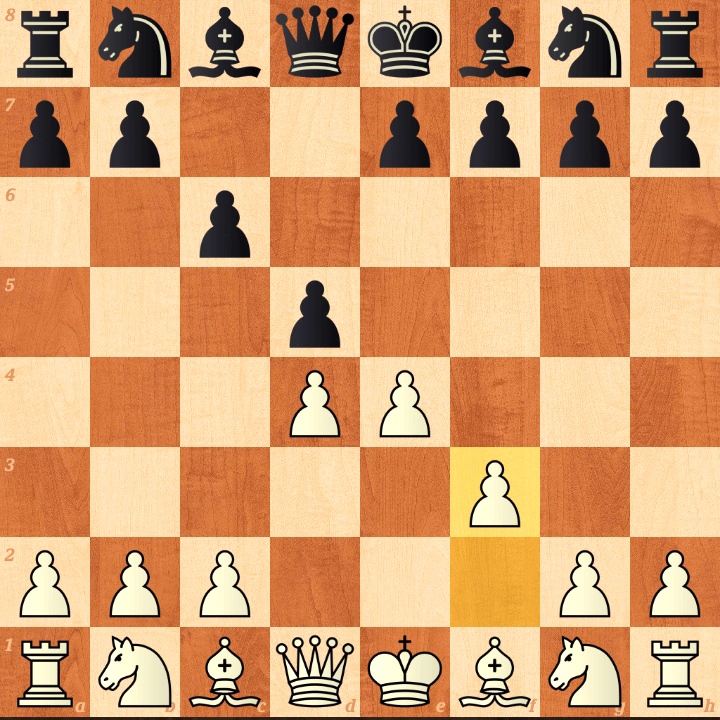
Initiated by 1.e4 c6 2.d4 d5 3.f3, this opening paves the way for a chess landscape rich with tactical possibilities.he Fantasy Variation's name is derived from its somewhat unconventional approach, where White opts for a kingside pawn push that defies traditional opening principles.
This early pawn move is designed to support a subsequent e4-e5 advance, aiming to challenge Black's position and create an aggressive, complex game. Black can respond with:
3...e6
3...g6
3...Qb6
3...dxe4
This variation requires careful navigation, as the potential for open lines and quick exchanges can lead to a fast-paced, tactical game.
Despite its aggressive nature, the Fantasy Variation also demands a strong understanding of pawn structures and positional play, as any tactical melee eventually simmers down to an endgame where pawn weaknesses can be decisive.
Karpov Variation
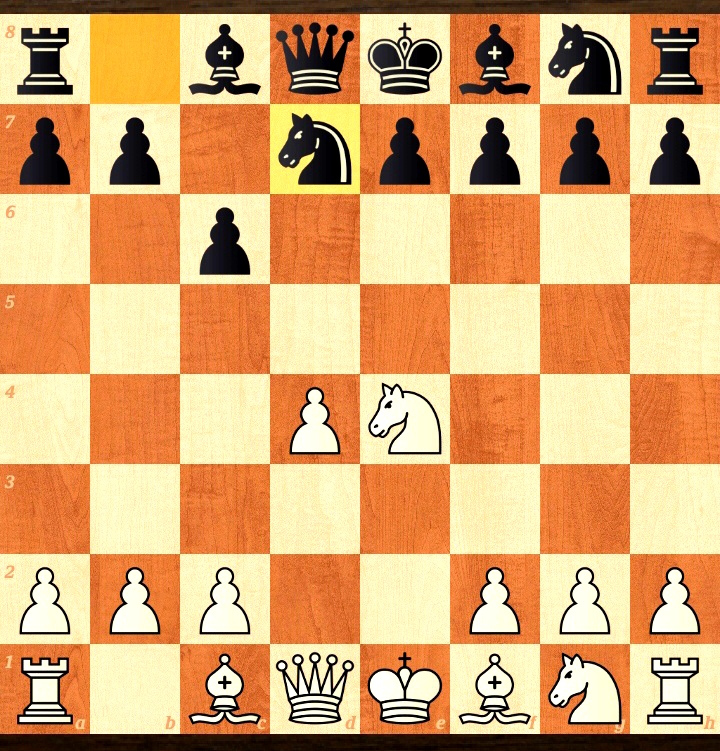
Named after former World Champion Anatoly Karpov, the Karpov Variation of the Caro-Kann Defense is a solid and sophisticated line.
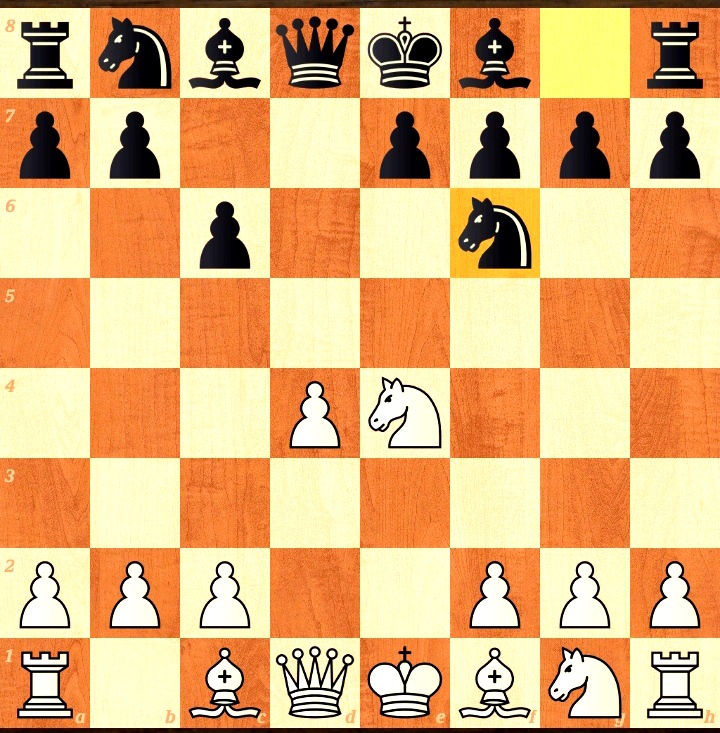
It kicks off with 1.e4 c6 2.d4 d5 3.Nd2 dxe4 4.Nxe4 Nd7, aiming for a solid setup that is difficult to undermine.
This variation offers a robust pawn structure and flexible piece development for Black, allowing them to adapt their setup based on White's plan.
Often, Black opts for a setup involving an early ...Ngf6, challenging White's central knight and aiming for a harmonious development of pieces.
While not as confrontational as other Caro-Kann lines, the Karpov Variation is a testament to the defense's strategic richness and flexibility.
It's an excellent choice for players who value positional understanding, piece harmony, and endgame prospects.
Its inherent solidity and strategic depth make it a favorite among players aiming for long-term advantages over immediate tactical skirmishes.
4...Nf6 Variations
The 4...Nf6 variations of the Caro-Kann Defense provide a dynamic alternative for Black after 1.e4 c6 2.d4 d5 3.Nc3 (or 3.Nd2) dxe4 4.Nxe4. With 4...Nf6, Black immediately challenges White's central knight, aiming to provoke exchanges that can help simplify the position and alleviate White's early pressure. This line is a blend of strategic planning and tactical acumen. On one hand, Black aims to maintain a solid pawn structure and develop pieces harmoniously. On the other hand, Black must also be prepared for early skirmishes in the center, necessitating precise calculation and keen tactical awareness.
Often, this variation can lead to symmetrical pawn structures that seem quiet on the surface but hold a depth of strategic complexity underneath. Understanding the subtleties of pawn structure, square control, and piece coordination is crucial for navigating the 4...Nf6 variations successfully.
Two Knights Variation
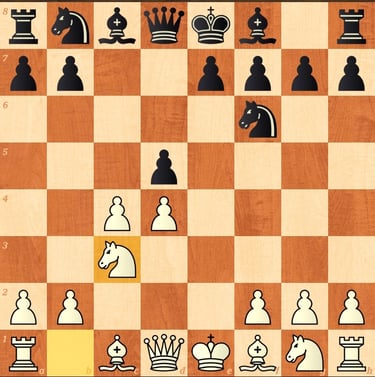
In the Two Knights Variation of the Caro-Kann Defense, White goes for a more reserved setup with 2.Nc3 d5 3.Nf3 (or 2.Nf3 d5 3.Nc3).
Instead of an early central pawn advance, White develops the knights to control the center and maintain flexibility in their pawn structure.
This variation is typically less confrontational in the opening phase, focusing more on piece development and center control. However, its apparent simplicity is deceptive, as it can lead to rich middlegame positions characterized by complex strategic plans and tactical possibilities. Key plans for both sides involve careful pawn play and maneuvering of pieces, with a particular focus on exploiting minor weaknesses in the opponent's position. Recognizing the right moment for pawn breaks, especially in the center, is a vital skill when playing the Two Knights Variation. This line is a strategic playground for those who enjoy positional play intermingled with tactical nuances.